


Nacho
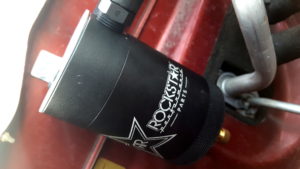
In our last post, we focused on what a catch-can is and how it functions. Now that you know everything you could want to about their operation, you want to install one, right? Where do I start? Take photos of your stock setup before taking anything apart. This will ensure you know exactly what was changed in case you need to back track. Locating the PCV valve is easy on a majority of vehicles. You can easily find a guide online for most models. Next, you’ll want to locate a good home for your catch-cans. Take care to avoid routing your hoses over anything hot if you don’t plan to add heat protection. Make sure your cans end up in an easily-serviceable location! You don’t want to disassemble half your engine just to drain your cans. Next, you’ll want to run your hoses.Starting at your PCV valve, run a hose to the inlet on your catch-can. From the outlet port, connect a hose to your intake manifold where the PCV line originally ran. Turbo applications will benefit from an additional check-valve in this line to prevent boost from building up in the catch-cans. (See diagram below) That’s it! Bolt down any remaining parts that you needed to remove, such as our intake manifold. Clean up your bay and you should be all set! Catch-cans are relatively easy and can be installed by most beginner mechanics with a basic set of tools. Feel free to reach out if you run into any troubles!

So you want to build a cool car, or you already have but need a few things to finish it up. Money is tight and parts are getting pricey. It may be time to look into a Sponsorship! While many of us have surely heard this term before, some may not fully understand what Sponsorship really means, so we’re here to help! What is Sponsorship? A sponsorship is typically an agreement between a company that markets parts or services and an influencer who can help spread the word about those products. Simple. Sponsorships typically come with a set of rules and specific guidelines for how the company would like their image portrayed so be sure to read everything in your offer letter! What can they do for me? These agreements can be for a percentage off of the company’s services, free product, or even a full-ride sponsorship with money paid out for events. We want to clarify: accepting a sponsorship offer does not mean you will get paid. It does not mean you will receive free parts. It does not mean you will be featured throughout the company’s website or social media. It is essentially a contract to become a freelance marketer for that company in return for assistance that may further your goals. Sounds like work, why do I want to work for these companies? Proving that you can market product and services to your following on social media and attending events where you are in high visibility will show the company that you are worth the investment. A driver who brings in thousands of fans to one of the companies sponsoring their build may be offered a better discount or free parts. These drivers may even be asked to be featured on social media and advertisements which can really boost a racer’s career. How should I approach sponsorship opportunities? How do you handle yourself at work? Professionally, we’d hope. Sponsorships are exactly the same. You are asking a company to take you under their wing for some reason, being polite and professional will do wonders. Sending the same “I emailed you about this” message 7 times doesn’t come across as professional. Our friends at Driving Line touch on a few examples of proposals we’ve seen over the years that are guaranteed to land your application in the trash. Who offers sponsorships? You can technically reach out and propose a sponsorship agreement to any company. Come up with reasons you would be a good fit to market their products and how they could benefit. Don’t start asking for free stuff right away or your message will most likely end up being left on “Read”. Instead, sell yourself and see what they offer in return. A few companies offer an application right on their website for these inquiries. We put together a list to make it easy for you to find your first real sponsor: Okami Racing Whiteline Performance Continental Tire Toyo Tires BRAUM Modern Automotive Performance Adam’s Polishes Other companies offer sponsorships but require a more formal message to be sent over either to a specific email inbox or via mail: Blox Racing Raceland R1 Concepts Magnaflow Meguiar’s
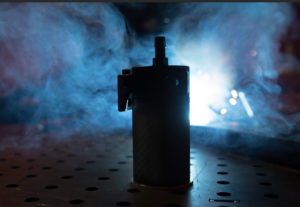
You’ve spent the money to build your dream engine just right, now you need to make sure it stays running properly. You don’t want an intake tract full of blow-by on your fresh build, so what do you do? Easy, install a catch-can! Catch cans catch things aside from oil. One thing they catch a lot of is myths around their installation and operation, so we’re here to help clear the air around these simple products that can help your engine breathe easier. Let’s start with the basics…What is a catch-can? To really understand this, you’ll need to understand your car’s PCV system. What is a PCV system? Your PCV (positive crankcase ventilation) system exists to allow excess pressure to escape your engine’s bottom end. This pressure typically comes in the form of blow-by which is a byproduct of the combustion process. Small amounts of fuel and exhaust gases from your engine’s power stroke escape through the tiny gap between your piston rings and cylinder walls. This builds up pressure in the bottom end of your engine which is vented by a small check-valve known as the PCV valve. This valve leads to a small hose that carries this pressure to your intake manifold. The problem should be obvious. Small amounts of oil and the nasty by-products of the combustion process eventually build up in the intake manifold and intake valves, not to mention it contaminates the air-to-fuel ratio which affects the engine’s performance! Carbon build-up on your valves leads to a host of problems. Valves that don’t seal correctly will drastically reduce the performance of your engine. The build-up can also reduce the amount of available space for air to travel, reducing the amount of air your engine can cram into the cylinders per intake stroke. This also contributes to increased emissions which may cause you to fail a local inspection. How do I fix this? If you own a direct-injection engine, chances are you’ve heard of walnut or media blasting. This process removes carbon and oil build-up from valves and intake manifolds by literally blasting the surfaces with crushed walnut shells. This is highly recommended maintenance for newer BMW and Subaru’s. Leaving this carbon build-up unchecked can lead to performance issues and Check Engine Lights. Vehicles with port-injection won’t run into the issue of gunked up valves as easily since gasoline is sprayed directly onto the back of the valves in an effort to keep them clean, but the rest of the intake system is a different story. As we saw with our own 2007 Miata, abusing the throttle can lead to oil making its way into the intake tract and pooling. This can lead to a dirty MAF sensor which may not provide an accurate reading to your ECU. A bad signal can cause low power output from the engine. Cleaning our intake tract and MAF gave us a noticeable gain in power, so make sure yours stays clean! So where does a catch-can come in? Glad you asked! A catch-can intercepts the air traveling through your PCV system. By providing a large space for air to slow down, oil can condense and form droplets which will collect inside the can rather than your intake or valves! Premium catch-cans will include some sort of filter to improve the efficiency of this process by giving the oil something to cling to. We highly recommend a filtered catch-can if you really want full protection. Do they actually work? Yes. Multiple racing teams, drifters, and other professionals in the industry use them and there are plenty of manufacturers investing tons of money into their development. We’ve seen a complete turn around on our own car. Our Miata’s intact tract was coated with oil every week, requiring cleaning to keep things performing at 100%. Our catch-can setup has taken a weekly disassemble and cleaning down to a monthly unscrewing of the can. Why not one of those little filters? Sure, if you are building a pure race car. If this is your daily, think twice about this cheaper alternative. Other than coating your engine bay with a mist of oil vapors, installing a breather element can reduce the vacuum force that pulls pressure from the crankcase and helps seal the piston rings. This leads to increased ring wear and a shorter engine lifespan. This is why you’ll normally see breathers instead of catch-cans on purpose-built drag cars. Their engines are under constant stress and are rebuilt often. Chances are, your daily ride’s isn’t. We spoke with a few state vehicle inspectors on the matter as well. If you live in an area where popping your hood is mandatory for inspection, those little filters might get you into trouble as they allow for blow-by gases to escape into the atmosphere, which isn’t great for the environment (who knew?). Alright, so how hard is it to install one? This will depend on your car, but it is a relatively easy mod! You are essentially intercepting the hose coming from your PCV valve. Connect that to the inlet of your catch-can then run the outlet line to wherever the PCV hose was originally going. Simple! We have a quick guide available to help you out here Where can I get one? Plenty of places sell these simple solutions but there are a few things to look out for. Most of the cheap options you’ll find online will be simply an empty can with nothing to filter out oil from the air traveling through. We recommend baffled catch cans so there is something to keep the oil from sloshing around and bouncing back into the outlet. This combined with a proper filter will ensure you are collecting every drop of oil passing through. No matter where you get yours, your car and the environment will thank you.